

Water damage is one of the most common issues faced by electronic devices, but it can also be one of the trickiest when it comes to warranty coverage. Understanding how warranties deal with water damage can save you a lot of frustration and help you make informed decisions about repairing or replacing your device.
Standard Warranty Limitations Most manufacturers offer a standard warranty for their electronic products, usually lasting for a year or two, depending on the brand and model. These warranties typically cover defects in materials and workmanship but do not include damage caused by accidents or misuse, including water damage. The reason water damage is excluded from most warranties is due to the unpredictable nature of liquid exposure, which can cause a variety of issues that are difficult to assess and repair. Components can corrode or short-circuit, leading to long-term problems that may not be immediately evident.
Liquid Contact Indicators (LCIs) Manufacturers have found a way to determine if a device has been exposed to water through the use of Liquid Contact Indicators (LCIs). These are small stickers inside the device that change color when they come into contact with moisture. Technicians can use these indicators to verify if the warranty is still valid. If an LCI is triggered, the manufacturer will usually void the warranty, and any repair costs will fall on the owner. It’s important to understand that even high humidity levels could sometimes cause these indicators to change, making warranty claims for water-damaged devices a bit challenging.
Extended Warranty and Insurance Plans If you’re concerned about water damage, some manufacturers and third-party companies offer extended warranties or insurance plans that include coverage for accidental damage, including liquid exposure. These plans come with an additional cost and often have their own set of rules regarding claims. Typically, such plans will offer either a one-time repair or replacement for a reduced fee compared to the cost of a new device. Make sure to thoroughly read the terms and conditions before purchasing extended coverage to understand what exactly is covered and under what circumstances. Some insurance plans may also have deductibles or limits on the number of claims you can make.
Handling a Water-Damaged Device If your device has been exposed to water, it’s critical to act fast to minimize the damage. First, turn it off immediately to prevent short-circuits. Do not try to charge it or turn it back on. Instead, wipe it dry with a soft cloth and, if possible, remove the battery. Contrary to popular belief, placing your device in a bag of rice is not a reliable method to deal with water damage. Rice may absorb some moisture, but it can’t remove water trapped inside the device’s components. Instead, it’s better to bring the device to a professional repair service as soon as possible, as they have the right tools to thoroughly dry the components.
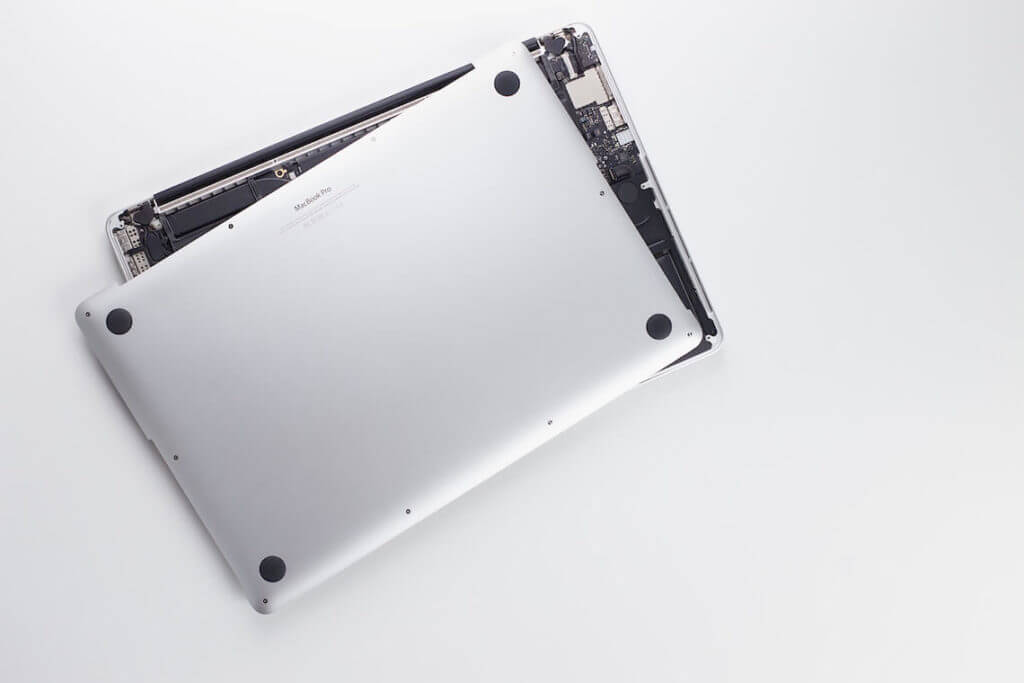
Professional Repair and Warranty Considerations Even if your device’s standard warranty does not cover water damage, getting it professionally repaired is still an option. Repair technicians can open the device, clean internal parts, and replace any damaged components. However, it’s important to note that if you attempt a repair on your own or use an unauthorized service provider, you might void any remaining warranty you still have on other components. For instance, while the warranty won’t cover the water damage, it might still cover other parts of your device like the camera or speakers, provided they aren’t the ones directly damaged by water.
Preventing Water Damage Prevention is always better than dealing with water damage and warranty issues. Using waterproof cases or pouches can help protect your device from water exposure. Many modern devices come with some level of water resistance, indicated by an IP rating (e.g., IP67 or IP68), but it’s important to understand the limits of this protection. Water-resistant doesn’t mean waterproof; prolonged submersion or exposure to certain liquids, like saltwater, can still cause significant damage.

Conclusion In conclusion, understanding warranty policies on water damage can help set realistic expectations for repair and replacement options if an accident occurs. Most manufacturers do not cover water damage under their standard warranty, but extended warranties or insurance plans may offer additional protection. If water exposure does happen, acting quickly and seeking professional help can make a significant difference in the likelihood of recovery. As always, taking preventive measures is the best approach to avoid the headaches associated with water damage.
