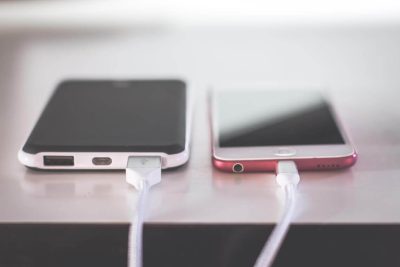
Wireless charging has become a popular and convenient way to power up mobile devices, eliminating the need for cables and making charging more seamless. However, a common concern among users is whether wireless charging affects battery life, and if so, how.
Understanding Wireless Charging Technology Wireless charging works through a process called electromagnetic induction. In this process, an electromagnetic field is created by a charging pad, which then transfers energy to the receiving coil inside your phone, ultimately charging the battery. While this technology is convenient, it can generate additional heat compared to traditional wired charging.
Heat and Battery Degradation One of the biggest factors that impacts battery life during wireless charging is heat. Lithium-ion batteries, which are used in most modern devices, are sensitive to heat. When a battery is exposed to high temperatures, it can degrade more quickly, reducing the overall battery capacity over time. Wireless charging pads are often less efficient at converting electricity compared to cables, which leads to energy loss in the form of heat. This heat can be transferred to the phone, causing higher-than-normal temperatures during charging.
Heat generation is a significant reason why some experts recommend using wireless charging sparingly or avoiding leaving the device on the charger for extended periods. Charging overnight with a wireless charger can keep the battery at full charge for too long while generating heat, both of which can accelerate battery wear.
Battery Charge Cycles and Trickle Charging Another consideration is how wireless charging can impact the charging cycle. Wireless chargers tend to keep the device fully charged by maintaining a trickle charge after reaching 100%, which can lead to small, repeated charge cycles that also affect the battery’s health over time. Lithium-ion batteries have a limited number of charge cycles before their capacity begins to degrade. Trickle charging essentially means the battery experiences more mini-cycles, potentially reducing its overall lifespan.
Optimization Features in Modern Devices To counteract these potential issues, modern devices come with battery optimization features designed to manage charging more efficiently. Many phones include software that helps regulate the charging rate and maintain the battery at optimal levels. For instance, some devices will pause charging once they reach 80% and only continue charging to 100% shortly before you typically wake up, reducing the time the battery spends at full charge.
Additionally, wireless chargers have improved over time. Most high-quality wireless chargers come with integrated cooling systems and built-in safety features to prevent overheating. These advancements can help mitigate some of the downsides of wireless charging related to heat production.
Best Practices for Wireless Charging To minimize the potential negative effects of wireless charging on battery life, you can follow some best practices:
Use High-Quality Chargers: Always use certified chargers from reputable manufacturers. They have safety features designed to prevent overheating and overcharging.
Avoid Prolonged Charging: Try not to leave your device on a wireless charger for extended periods, especially overnight. Removing the device once it is fully charged can help prevent excess heat and mini charging cycles.
Keep the Charging Area Cool: Ensure proper ventilation around the charger. Heat can build up quickly if the charging pad is in a confined or poorly ventilated area, causing temperatures to rise.
Remove the Case if Necessary: If your phone has a thick or heat-retentive case, consider removing it before charging. Cases can trap heat and make it more difficult for your device to cool down.

Conclusion: Wireless charging can be a convenient way to power up your device, but it does have some potential drawbacks when it comes to battery life. Heat generation and constant trickle charging can contribute to a gradual decrease in battery health over time. By understanding these factors and taking appropriate precautions, such as using certified chargers and avoiding overheating, you can enjoy the benefits of wireless charging while minimizing its impact on your battery’s lifespan. Ultimately, balancing wireless charging with traditional wired charging can be a practical approach to maintaining a healthy battery.