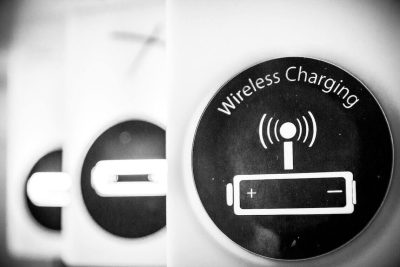
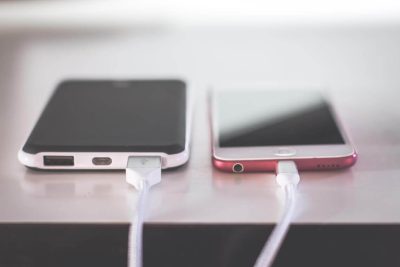
Wireless charging is a convenient way to power up your device without dealing with cables, but many people wonder how it impacts the overall health and lifespan of their battery. Wireless charging works through electromagnetic induction, which generates heat—a key factor in battery degradation. The increased temperature during charging can potentially affect the long-term performance of your battery.
One of the concerns with wireless charging is the potential for more heat generation compared to traditional wired charging. Excessive heat can reduce the efficiency of lithium-ion batteries and degrade them over time, leading to a decrease in the battery’s capacity to hold a charge. It’s important to use certified chargers and place your device properly on the charging pad to minimize unnecessary heat buildup.
Another factor is the charging pattern. With wireless charging, people tend to leave their devices on the pad for longer periods, which means that the battery may remain at 100% for extended durations. Keeping a lithium-ion battery fully charged for long periods can increase the rate of wear and tear, leading to a shorter battery lifespan.

However, modern devices come with built-in battery management systems to mitigate these effects. They include features like adaptive charging and thermal regulation to control the charging speed and prevent overheating. To extend battery life while using wireless chargers, consider removing any thick cases that may trap heat, avoid leaving your device on the charger overnight, and use chargers that are certified by the manufacturer.
Overall, wireless charging is safe and effective for everyday use, but to protect your battery life, you should be mindful of the charging environment and avoid habits that lead to excessive heat and prolonged overcharging.